
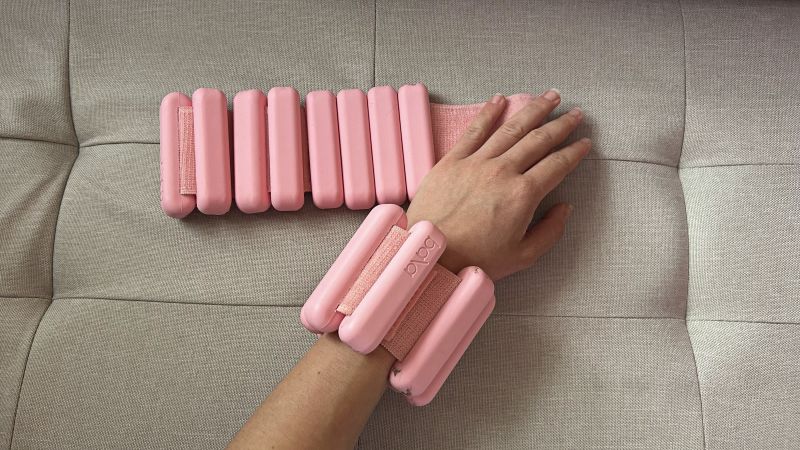
This article was flagged for fact-checking based on reader concerns about whether the recommended “best” fitness gifts are genuinely beneficial, or if trainers and coaches are simply promoting pricey gadgets—potentially due to undisclosed financial incentives. With the growing surge of high-tech gear in the fitness industry and increasing skepticism around marketing tactics, a closer look at the actual effectiveness and motivations behind such endorsements is warranted.

The popularity of fitness gadgets and accessories has exploded over the past decade, evolving from simple pedometers to advanced wearable technology and smart equipment. Trainers and influencers have played a large role in shaping purchasing decisions, often partnering with brands for visibility. However, this dynamic has introduced challenges related to transparency and consumer trust, as not every trending gadget delivers meaningful results or is recommended solely for its utility.

The article states, “Regardless of what you pick, each idea is guaranteed to make your giftee feel loved and motivated.” This presents the products as universally effective. According to independent research and consumer reviews, the benefits of fitness gadgets, including smart ropes or AI-powered coaching tools, can vary greatly among individuals. While some users find motivation through tracking and gamification, others may lose interest, or may not benefit at all. Current evidence suggests these products can act as helpful supplements—but do not provide guaranteed motivation or value for every user.
The article emphasizes consultation with “certified personal trainers, performance coaches and sports nutritionists,” suggesting impartiality in product selection. However, industry analysis reveals that trainers sometimes promote gadgets due to partnerships or commission arrangements, not purely on performance. While some experts genuinely recommend tried-and-tested products, financial incentives can influence endorsements—an important piece of context that is not referenced in the article. Without explicit disclosure of any such relationships, the article leaves readers without enough information to fully trust the neutrality of the recommendations.
Throughout the article and similar gift guides, advanced workout equipment and digital tools are often positioned as important for health improvement. However, several recent studies indicate these gadgets should be seen as supportive rather than essential. Many fitness experts agree that consistent training, well-balanced nutrition, and sleep form the foundation of health and fitness, while gadgets offer convenience or novelty but are not necessary for results. The presentation in the article lacks this important nuance, giving readers the impression that such products are indispensable.

This fact-check finds that while fitness gadgets can provide added motivation and track progress for some, their effectiveness is not evenly experienced by everyone. The article does not disclose whether trainers had any financial relationships with brands, missing vital context about impartiality. Additionally, it occasionally frames gadgets as essential or universally beneficial, which is not supported by independent research or expert consensus. Readers are encouraged to assess new gadgets critically, considering both personal needs and the possibility of commercial influence behind product endorsements.
For more insights and to submit your own news for fact-checking, Download the DBUNK App and join a community dedicated to fighting misinformation.
https://www.cnn.com/cnn-underscored/gifts/best-gifts-for-fitness-lovers