
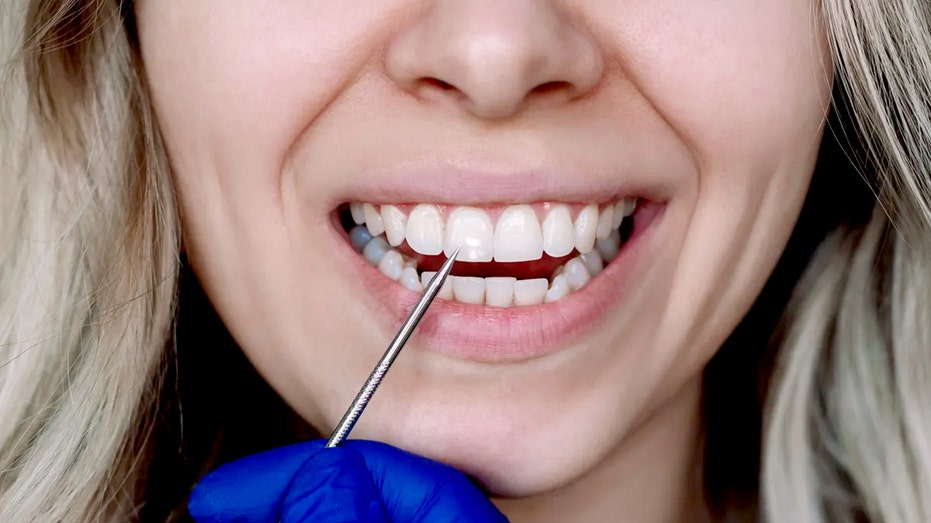
Introduction
This article attracted attention by highlighting a potential breakthrough in dental health: repairing tooth enamel using keratin protein taken from sources like human hair or wool. Readers, including those curious about whether their own hair might help heal their teeth in the future, have flagged this article to determine whether these claims are scientifically sound or speculative. Our analysis unpacks the science, the sustainability angle, and what is still only possible in laboratory settings.

Historical Context
Dental enamel, known as the hardest substance in the human body, cannot naturally repair itself once damaged, making cavities and enamel erosion a long-standing challenge. Traditional treatments, such as fillings, crowns, and fluoride toothpaste, can slow further decay but cannot truly regenerate lost enamel. Recent years have seen global research efforts investigate new ways to rebuild enamel, often focusing on biomimetic materials or dental stem cells. The idea of using proteins found in everyday waste materials—such as hair or wool—intrigues both scientists and sustainability advocates and now appears in the public spotlight thanks to ongoing research at King’s College London.

Fact-Checking Specific Claims
Claim #1: A team of scientists in London may have found a way to repair tooth enamel using an ingredient found in an unexpected place: human hair.
This claim is rooted in recent research from King’s College London, where scientists have tested keratin—found in hair, skin, and nails—in laboratory settings for the repair of early enamel lesions. Studies reported that keratin, when combined with minerals present in saliva, forms a crystal structure similar to natural enamel and restores key properties. However, while the keratin used in the published experiments was sourced from wool, the same protein can be derived from human hair. Thus, the use of “human hair” as a source for keratin is possible, but actual clinical use has only been tested in lab (not human) situations so far. See original research here: PubMed.
Claim #2: While fluoride can only slow the damage, the keratin-based formula in the new study stopped it entirely in lab tests.
The referenced dental studies confirm this claim within laboratory conditions. Keratin-based coatings created a mineral-rich barrier several times harder than current materials used in managing early cavities, halting simulated decay and even partially restoring lost appearance and strength. However, it is crucial to highlight the word “lab tests”—as with many early scientific breakthroughs, actual effectiveness and durability in real-world mouths has not yet been proven. Review scientific reporting here: Dental Tribune.

Claim #3: Keratin can be harvested from hair or wool that would otherwise be discarded, turning waste into a valuable health product.
This sustainability angle is validated by recent scientific and media reports. Keratin discarded from wool and hair industries can, with proper processing, be repurposed as a health product for dental treatments—reducing waste and creating a new application for materials that otherwise have limited high-value uses. Coverage on this research is available here: Spokesman Review.
Claim #4: Scientists said they envision the new ingredient being added to everyday toothpaste or used in dentist-applied treatments within the next few years.
Researchers from King’s College London and coverage from industry experts affirm that, if further trials validate both safety and effectiveness, it is realistic to expect the technology to be added to toothpaste and professional dental treatments within two to three years. However, these timelines depend on overcoming manufacturing, safety, and regulatory hurdles for human use. See more at Oral Health Group.
Conclusion
The article accurately reflects the findings of emerging dental research that explores keratin—a protein present in human hair and wool—as a promising material for laboratory-based enamel repair. The reporting is mostly factual, acknowledging that this technology is still in early stages and not yet used in dental clinics. It also highlights both the scientific and sustainable aspects of keratin use, providing a balanced outlook. The article avoids exaggeration by noting that real-world effectiveness and safety are not yet established and that further research and development are needed before it could appear in products you use daily. While the premise may sound futuristic, the core claims are supported by credible, up-to-date research.
If you have other articles or rumors you’d like checked for accuracy, DBUNK is available to answer your questions at no charge.
Take Action Now
Want powerful fact-checking at your fingertips? Download the DBUNK App to see real-time fact checks and submit your own requests for free.
Link to Original Article
You can read the full original article here.