
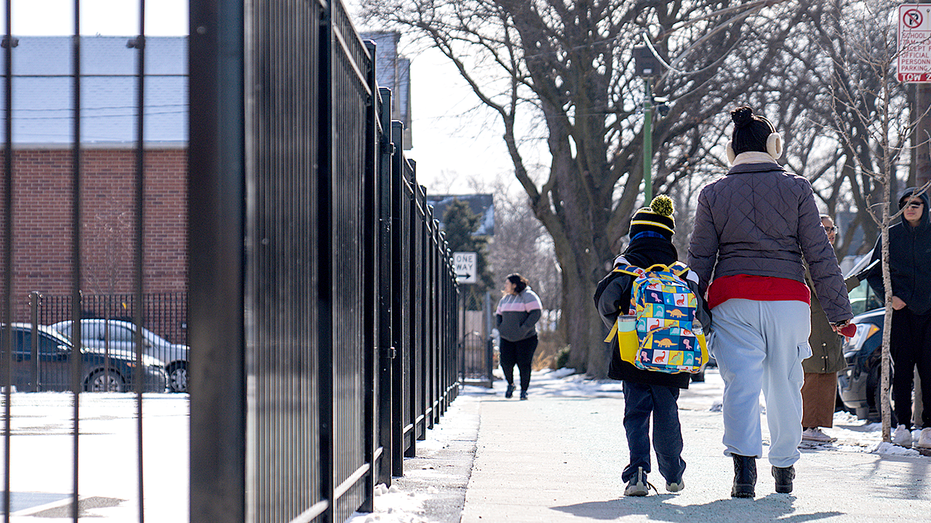
This article has raised concerns regarding the Chicago Public Schools (CPS) policy for excused absences among undocumented students, especially in the context of heightened federal immigration enforcement. The article questions whether CPS’s policy promotes truancy or hinders immigration enforcement. These issues matter deeply to Chicago families, educators, and policymakers, and deserve a clear and evidence-based review so readers can understand what’s actually happening.

Chicago has a long history of welcoming immigrant communities and implementing policies meant to shield students from the disruptive effects of federal immigration enforcement. Following national debates about school safety, student rights, and recent increased ICE operations, CPS has adopted measures intended to reassure families that their children’s education will not be interrupted due to immigration fears. CPS has reiterated its role as a sanctuary for all students, reflecting similar steps taken in other major cities facing uncertain immigration enforcement climates.

Claim #1: Chicago Public Schools policy allows unlimited excused absences for undocumented students if they fear immigration enforcement activities.
This claim is supported by CPS’s stated policy. Documents obtained by public education watchdogs and referenced in several news sources confirm that CPS permits excused absences for students if parents state the reason as fear of federal immigration enforcement. There is no set limit on how many days this excuse can be used, and parents are not required to give further proof apart from expressing safety concerns. The policy is clear that absences under these circumstances should be coded as related to “student health and safety.” This aligns with information from yahoo.com and is confirmed on the CPS official policy page.
Claim #2: CPS’s attendance policy effectively encourages truancy and allows families to hide students from immigration enforcement.
The intent behind the CPS policy is to protect students from traumatic disruptions related to immigration enforcement, not to encourage truancy. However, research does show that when ICE operations increase, attendance among students from immigrant backgrounds declines. After a high-profile ICE operation in September 2025, CPS attendance dropped more than usual, especially in immigrant and Latino neighborhoods. This suggests heightened fear contributes to absenteeism. While there is no direct evidence the policy “encourages” truancy, the absence of limits or required documentation may make it easier for students to remain home during enforcement periods. Still, CPS’s approach aligns with its sanctuary policies and seeks to preserve students’ rights to education, not to obstruct law enforcement. For further insight, see Chalkbeat’s analysis.

Claim #3: The CPS policy obstructs federal immigration enforcement efforts by letting families hide from ICE through school attendance policies.
There is no evidence that CPS’s attendance policy directly obstructs federal immigration enforcement. Federal policy restricts ICE from conducting enforcement actions at sensitive locations, including schools, unless under special circumstances with proper warrants. CPS policies state that the district does not permit ICE agents on school grounds or access to school records without a criminal judicial warrant signed by a federal judge. The policy does not interfere with law enforcement but rather ensures school remains a safe zone for all students. This approach is reaffirmed by CPS’s joint sanctuary letter and reporting by Reuters.
Claim #4: The policy does not require families to give specific details or set a time limit for excused absences based on fear of immigration enforcement.
This claim is accurate. The attendance guidance specifies that parents only need to indicate “concern for student health and safety” related to federal immigration enforcement, with no requirement for additional documentation or time limitation. The absence can continue as long as the parent reports ongoing concern, according to policy documents cited in recent news coverage.
The article’s portrayal of CPS’s attendance policies is mostly accurate in its description of the guidelines, especially regarding the lack of time restrictions and documentation required for absences due to immigration-related fears. The suggestion that the policy actively encourages truancy or obstructs law enforcement is not substantiated by the evidence; rather, the policy is designed to safeguard student well-being and ensure equal access to education during periods of elevated immigration enforcement. While research shows that fear can increase absenteeism, CPS’s measures are meant to mitigate harm, not evade the law or undermine federal authority. The article would benefit from a fuller exploration of the nuanced effects of such sanctuary policies and the reasons CPS and other school districts have adopted them.
Want verified facts every time you read the news? Download the DBUNK App today to easily flag, review, and share news articles for unbiased fact-checking—always free for users.
Read the source article here:
https://www.foxnews.com/us/chicago-public-schools-policy-allows-unlimited-absences-for-illegal-alien-children-amid-ice-operations