
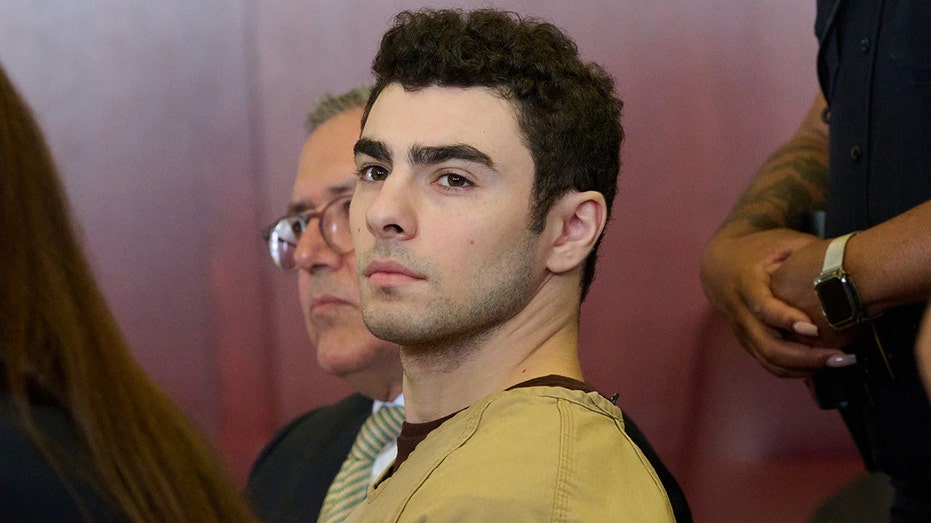
This article was flagged for fact-checking after readers questioned the accuracy and full context of why Luigi Mangione, the main suspect in the high-profile killing of UnitedHealthcare CEO Brian Thompson, is asking a judge to suppress evidence gathered during his arrest. With much public interest around both the case itself and the defense’s recent legal motions, ensuring accuracy and clarity is essential.

The case of Luigi Mangione centers on the shocking late-2024 shooting death of Brian Thompson, the CEO of UnitedHealthcare. The murder occurred outside a Manhattan hotel and quickly drew national attention due to Thompson’s prominence and the boldness of the crime. In the U.S. legal system, defendants commonly file motions to suppress evidence if they believe their constitutional rights were violated during the investigation or arrest. These legal maneuvers play a crucial role in American criminal trials, especially in high-profile cases where public scrutiny is intense.

This claim is accurate and is central to addressing the user’s question. According to court filings and multiple news outlets, Mangione’s legal team is seeking to suppress a 9 mm handgun, a silencer, and written materials found in his backpack at the time of his arrest at a McDonald’s in Pennsylvania, five days after the murder. The basis for this request is the allegation that police conducted a warrantless search, which Mangione’s defense argues violated his rights under the Fourth Amendment. These actions are consistent with standard procedure for a motion to suppress based on unlawful search and seizure, as outlined by legal sources such as law.cornell.edu and shouselaw.com. (apnews.com; Reuters)

This claim is supported by both reporting and legal filings. The article accurately mentions that Mangione’s defense seeks to suppress statements he made to law enforcement prior to being advised of his Miranda rights. According to both national legal precedent (e.g., the Miranda v. Arizona ruling) and case-specific documents, if police obtain confessions or statements before reading a suspect their rights, defense attorneys can seek those statements’ exclusion from evidence. This is a standard legal argument reflected in reputable legal sources and is present in the current proceedings. (natecrowleylaw.com)
The article correctly states that although earlier terrorism charges at the state level were dismissed for lack of evidence, Mangione still faces charges including second-degree murder, multiple weapons offenses, and possession of forged identification documents in New York. In addition, federal prosecutors have filed charges carrying the possibility of the death penalty, which is specifically outlined in recent court filings and news reports. The reporting here aligns closely with confirmed judicial proceedings and official statements issued in September and April 2025. (The Guardian; The Guardian)
The article provides an accurate and clear summary regarding the basis of Luigi Mangione’s motion to suppress evidence and his ongoing criminal proceedings. The reporting accurately outlines the legal strategies underway—primarily, challenging the admissibility of evidence on grounds related to alleged unlawful search and seizure and potential Miranda rights violations. No substantial misinformation, bias, or missing context was detected in how the article presents the facts. Instead, the details about Mangione’s defense and the nature of the evidence in question closely correspond with accounts from court records and reputable news outlets. The piece offers a thorough, fact-based account helpful for readers seeking to understand the intricacies of the legal process in high-profile cases.
Want to spot misinformation before it spreads? Download the DBUNK App to flag, review, and fact-check news articles instantly—empowering you with facts that matter.