
Introduction
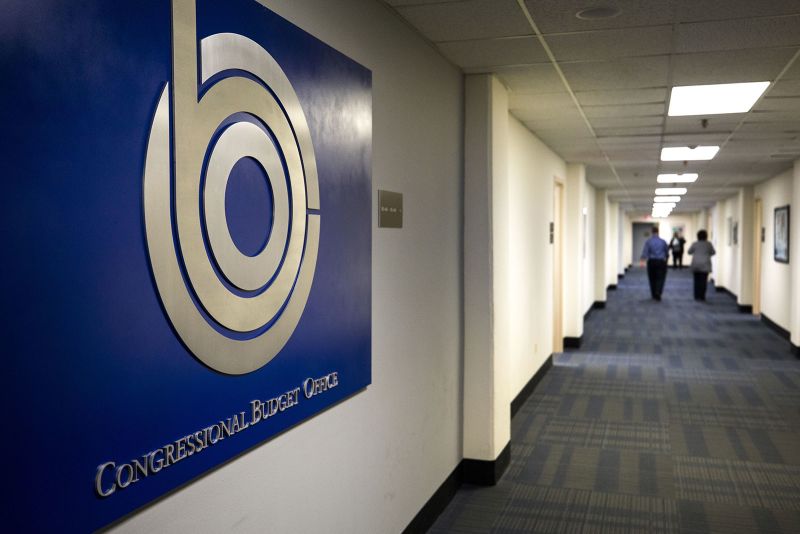
Concerns over foreign interference in U.S. government operations have intensified after reports surfaced that the Congressional Budget Office (CBO) was hacked, with suspicions pointing toward China. This article was flagged for fact-checking due to its assertions regarding the nature, source, and implications of the breach—specifically, whether concrete evidence supports allegations against Chinese state-backed actors.

Historical Context
Cyberattacks involving government agencies have grown more prevalent as geopolitical tensions, especially between the U.S. and China, have intensified. The Congressional Budget Office, while primarily focused on producing nonpartisan budget analyses for lawmakers, holds sensitive data that may interest foreign intelligence. Both U.S. and Chinese officials frequently accuse each other of state-backed cyber intrusions, yet public, definitive proof in such cases is typically limited, making attribution a complex endeavor.

Fact-Checking Specific Claims
Claim #1: “The Congressional Budget Office has been hacked, potentially exposing its communications with the offices of lawmakers.”
This claim is accurate. Confirmed reports indicate that the CBO suffered a cyberattack that may have compromised sensitive government correspondence. In response, the CBO implemented new security measures to contain the breach and safeguard its systems. This is supported by statements from CBO officials and independent news outlets reporting on the incident. See corroboration at AP News.

Claim #2: “Chinese state-backed hackers are suspected of being behind the breach.”
This claim is plausible, but not confirmed. The article notes that a U.S. official briefed on the hack cited suspicions of Chinese involvement. However, the CBO and official spokespeople have not publicly identified a perpetrator and the nature of the attribution remains circumstantial. Reports from other agencies and media, such as Reuters, similarly point out that while China has been suspected in other recent cyber incidents, formal evidence directly tying China to this specific hack has not been released. In matters of cybersecurity, proving the origin of an attack can be challenging due to the covert methods attackers use to hide their tracks.
Claim #3: “The hacking incident was ‘ongoing’ and that staffers should avoid clicking on links sent from CBO accounts because the accounts may still be compromised.”
This claim is accurate. Direct communication from the Senate Sergeant at Arms to congressional staff clearly stated that the hacking situation was ongoing and that CBO-related accounts could still be compromised. Staff were explicitly advised to exercise caution regarding emails and links, as validated by external reports from Reuters.
Claim #4: “The federal government has been shut down for a record 37 days, leaving resources for cyber defense stretched thin.”
This claim is accurate. The prolonged government shutdown strained federal cyber defense resources significantly, leading to furloughs of about 80% of the Cybersecurity and Infrastructure Security Agency’s workforce and impacting the ability to respond to threats. This context is vital to understanding why such breaches can occur and persist. Verified details are available from Cybersecurity Dive.
Conclusion
Overall, the article presents a largely accurate picture of the CBO cyber breach and the factors surrounding it. However, while the article relays that Chinese actors are suspected in the attack, it is important to emphasize there is no public, definitive proof released that confirms China’s direct involvement—only suspicions shared by an unnamed U.S. official and consistent with patterns from previous attacks attributed to China. The article accurately reports other surrounding details, but its framing of the suspected perpetrator could be misinterpreted as more certain than current evidence supports. Readers should carefully distinguish between official confirmation and speculation based on suspicion and patterns.
Take Action Now
Join a community dedicated to verified news. If you have an article that needs fact-checking, you can submit your requests for free—plus, get instant access to unbiased analysis. Download the DBUNK App.
Link to Original Article