
Introduction
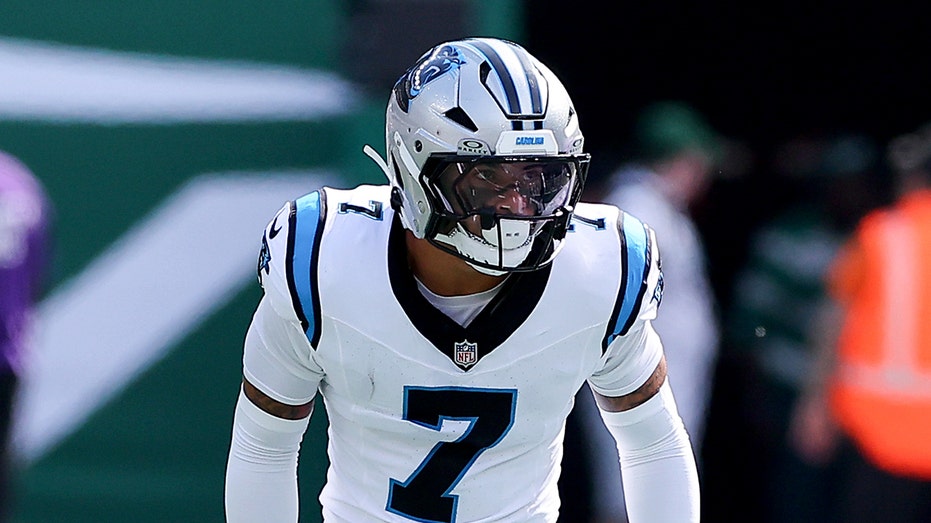
This news article drew attention after the NFL suspended Panthers safety Tre’Von Moehrig for one game following an on-field punch to 49ers wide receiver Jauan Jennings’ groin. Readers questioned whether this relatively short suspension reveals the league’s priorities—does it reflect a sincere stance against violent conduct, or is it another attempt to maintain the NFL’s public image? This analysis evaluates both the facts of the incident and the wider context of NFL disciplinary actions.

Historical Context
The NFL has a long history of addressing violent conduct with varied measures, from imposing fines to multi-game suspensions. Yet public scrutiny has intensified as high-profile incidents have been met with seemingly inconsistent disciplinary outcomes. Multiple academic and investigative reviews, including research published by the University of Arkansas, have critiqued the NFL’s application of its own personal conduct policy, citing that general violent offenses often result in lighter-than-expected punishments. Recent seasons have highlighted a pattern of different penalties for comparable acts, fueling debate over fairness and whether image protection outweighs player safety.

Fact-Check of Key Claims
Claim #1: Tre’Von Moehrig was suspended for one game after striking Jauan Jennings in the groin.
This claim is accurate. According to multiple reports, including Reuters, the NFL announced a one-game suspension without pay for Moehrig for unsportsmanlike conduct during the Panthers’ loss to the 49ers. The reviewed video confirms Moehrig punched Jennings in the groin late in the game, matching what was described in the article and validated by league statements.
Claim #2: Jauan Jennings retaliated by striking Moehrig in the head and will be fined but not suspended.
This claim is accurate. After the initial incident, Jennings sought out Moehrig at the end of the game and punched him in the head. Reports from both the NFL Network and Reuters indicate that Jennings is subject only to a fine—with no suspension imposed—pending final review. This matches the article’s account and was reflected in the league’s communications.
Claim #3: The NFL has a record of inconsistent disciplinary actions for violent conduct, often suspending players for only one game for similar offenses.
The article hints at underlying controversy but does not provide full context. According to a peer-reviewed study, from 2010 to 2019, the NFL tended to suspend players for general violent offenses for much less than policy requires. Recent examples support this: Daron Payne received a one-game suspension in November 2025 for a striking offense (Reuters); Azeez Al-Shaair received three games for a dangerous hit (AP News). While the NFL does issue suspensions for violent actions, punishment severity varies widely without clear or consistent criteria, indicating the presence of both factual reporting and missing context in the article.

Claim #4: The league prioritizes its image over addressing violent conduct seriously.
The article alludes to the idea that the NFL’s relatively light punishment (a one-game suspension) may be motivated by concerns over image rather than a stringent stance on violence. While it is true that the NFL’s inconsistent disciplinary history suggests reputational interests often play a role, there is no direct proof provided in the article or our research that league officials explicitly prioritize image over discipline in this case. However, research demonstrates that such perceptions are widespread and not unfounded, given a history of lighter-than-policy penalties for violent acts.
Conclusion
The article accurately states that Tre’Von Moehrig was suspended for one game after striking an opponent, while Jennings will likely only be fined for his retaliation. However, the article leaves out critical context about the NFL’s broader history of inconsistent responses to violent conduct, which research has shown to vary in length and severity. Readers questioning whether the NFL’s decision reflects a concern for image over substance have basis for skepticism; although no explicit admission exists, research confirms a longstanding pattern where high-visibility and severity do not always match the penalty imposed. The news report does not misrepresent facts but could benefit from a more thorough exploration of the league’s disciplinary inconsistencies, which are supported by academic and recent media analysis.
Take Action Now
If you want to scrutinize news articles and tackle misinformation head-on, Download the DBUNK App and join a community committed to trustworthy information.
Link to Original Article
Read the original news article here.