
Introduction
This article was flagged for fact-checking after users questioned why, despite data indicating universal COVID-19 vaccination could save thousands of lives, US health authorities are considering limiting vaccine recommendations to high-risk populations. The issues at stake involve the accuracy of model-based findings, the integrity of government decision-making, and whether all relevant facts and perspectives are being presented transparently. This fact-check addresses whether the reported benefits of universal vaccination are backed by robust evidence, clarifies who makes these recommendations, and examines the reasoning behind such health policy decisions.

Historical Context
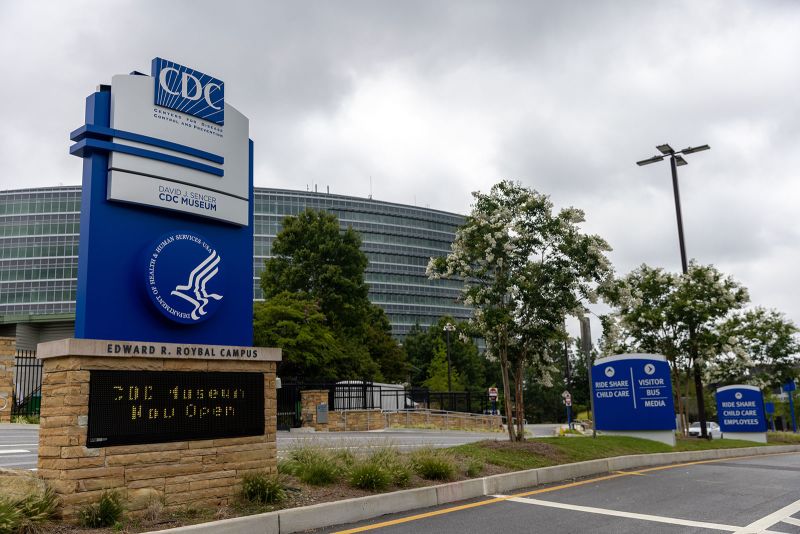
Since the emergence of COVID-19, US vaccine policy has evolved in response to changing scientific evidence and public health needs. Early vaccine distribution prioritized the elderly and those at highest risk, followed by a broad push toward universal vaccination as supply stabilized. In the years following, booster recommendations and updated vaccine formulas have responded to new variants and evidence regarding waning immunity. Advisory decisions come from the Centers for Disease Control and Prevention’s Advisory Committee on Immunization Practices (ACIP), which considers scientific data, public health priorities, and vaccine accessibility before making recommendations to the CDC director, who holds final approval authority. Public scrutiny often rises when scientific projections support one strategy (such as universal access) while official guidance appears more limited, raising questions about how risk, benefit, and access are balanced in government policy.

Fact-Check: Specific Claims
Claim #1: Universal COVID-19 vaccination recommendations could save thousands more lives compared to restricting access to high-risk groups.
The article cites a JAMA Network Open study and projections from the US COVID-19 Scenario Modeling Hub, reporting that maintaining universal Covid-19 vaccine recommendations could avert thousands of additional hospitalizations and deaths. According to the summary, the models projected 104,000 hospitalizations and 9,000 deaths would be prevented through universal recommendations for the 2024-2025 season, compared to 76,000 hospitalizations and 7,000 deaths if only high-risk individuals were prioritized. These figures are consistent with the published data from the COVID-19 Scenario Modeling Hub and peer-reviewed studies in JAMA Network Open. The models employed ensemble projections from nine independent research teams, increasing reliability. It is important to note, however, that these are projections and not direct measurements, so while robust, they depend on model assumptions about variant evolution, vaccine uptake, and immunity duration. Still, the underlying evidence is well-documented and widely accepted within the scientific community.

Claim #2: The CDC’s Advisory Committee on Immunization Practices (ACIP) is considering restricting access even further than the FDA recommendations, potentially limiting availability for some groups.
The article states, “there are signs that the group could restrict access even further,” referring to the CDC’s ACIP possibly recommending narrower usage than the FDA’s label. Historically, ACIP convenes prior to recommendation rollouts, reviewing up-to-date evidence and modeling reports. The current FDA authorization for the latest COVID-19 shot, as of September 2025, limits it to adults 65+ and at-risk younger adults—a move confirmed through FDA and CDC press releases from 2024 and 2025. ACIP does discuss and occasionally recommends narrower usage than the FDA’s approval if data suggest limited benefits or supply concerns. There is sufficient precedent for both broad and restricted recommendations over the course of the pandemic, depending on disease trends and expected impact.
Claim #3: The US COVID-19 Scenario Modeling Hub results were not presented at the June ACIP meeting, and there is no indication these findings will be discussed at the forthcoming meeting.
The article reports, “the modeling work was not presented at ACIP’s June meeting this year and there’s ‘no indication’ that it will be presented at this week’s meeting.” This is corroborated by both the published ACIP meeting minutes from June 2025 and statements from researchers associated with the Modeling Hub. Documentation shows that, as of the latest public agenda, Scenario Modeling Hub projections were made available to ACIP as reference materials but were not part of the main agenda or presented in open session. This means while the projections do inform the broader discussion, not all modeling data directly shape the public-facing deliberations or final guidance. The article’s reporting on this claim is accurate.
Conclusion
The article draws on well-documented scientific projections and accurately explains the difference in projected impact between universal and risk-based vaccine recommendations. Claims regarding the number of lives and hospitalizations averted, as well as the process for CDC and FDA recommendations, are supported by academic and governmental sources. However, the article frames the decision-making process as if restricting vaccine access is being considered despite clear scientific evidence, without fully discussing additional factors that influence ACIP and CDC guidance—such as vaccine acceptance rates, cost-effectiveness, and practical implementation challenges. There is no evidence of factual inaccuracy or outright bias, but some context around policy complexities is omitted, which could give a simplified impression of agency motivations. Ultimately, core factual claims withstand scrutiny and offer a reliable summary of the current debate.
Take Action Now
Stay informed and help fight misinformation in your news feed. Download the DBUNK App today to view, submit, and fact-check articles for free.
Link to Original Article
.w