
Introduction
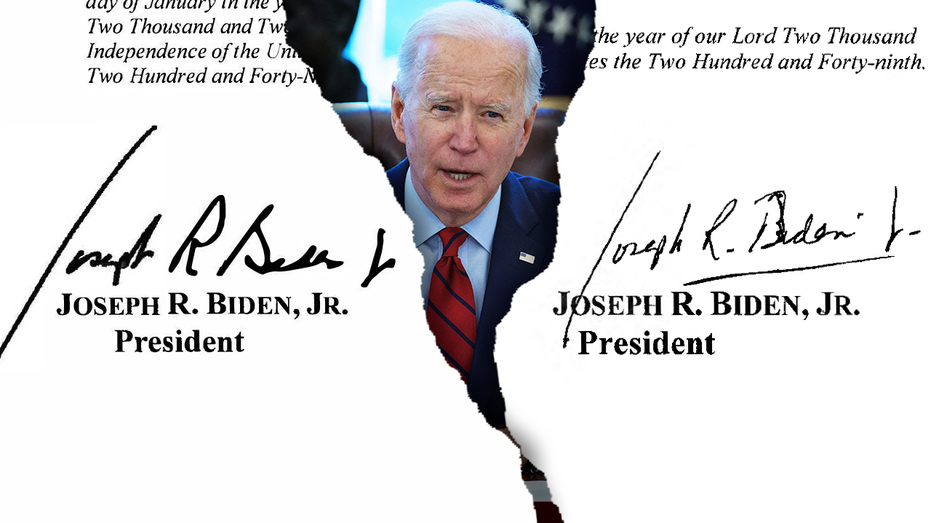
This article received significant attention and was flagged for fact-checking due to claims that senior Biden administration officials were concerned about the President’s use of the autopen—a device that replicates a signature—for authorizing key documents. Allegations have since circulated questioning whether this raises doubts about Biden’s legitimacy as president and whether he was fully in command of the responsibilities of his office. In this report, we thoroughly analyze these claims and their implications.

Historical Context
The use of the autopen in the White House is not new. Previous presidents such as Barack Obama and John F. Kennedy have used this device to sign bills and letters, particularly when the president could not be physically present. The U.S. Office of Legal Counsel has issued guidance stating that, as long as the president authorizes its use, autopen signatures on executive documents—including pardons—are legitimate. This longstanding practice has only become a political flashpoint recently, as concerns over decision-making transparency and the president’s health have become part of broader debates in Washington.

Fact-Check: Examining Key Claims
Claim 1: Reports that top Biden officials were worried about autopen orders are evidence that the president didn’t authorize important documents, raising doubts about his legitimacy.
Internal communications and external reports confirm that some senior Biden officials—such as White House staff secretary Stef Feldman—expressed unease about the documentation and confirmation process when using the autopen. For example, Feldman asked in one email, “When did we get [Biden’s] approval of this?” referencing an autopen-signed executive order. However, these concerns centered on ensuring clear records and compliance, not direct evidence that President Biden was unaware or uninvolved in granting authorization.
Furthermore, President Biden has strongly refuted any suggestion that he was not engaged in these decisions. He publicly stated, “I made the decisions during my presidency. I made the decisions about the pardons, executive orders, legislation, and proclamations. Any suggestion that I didn’t is ridiculous and false.” Current evidence does not support the claim that autopen usage, in itself, undermines presidential legitimacy, as legal precedent allows for its use so long as the president authorizes it. (axios.com, pbs.org)

Claim 2: The Biden administration’s use of the autopen was unusual, with internal criticism and “great lengths” taken by previous presidents to avoid it.
The Axios report and several internal emails confirm that some Biden White House officials considered the manner and frequency of autopen usage to be unusual and sought additional verification before using it for important actions such as pardons and commutations. For example, in January 2025, Feldman requested written confirmation that the president had authorized particular uses of the autopen. While these events demonstrate heightened internal caution, it must be noted that the overall practice is not out of step with established White House procedure.
The fact that prior presidents at times avoided using the autopen—such as George W. Bush reportedly flying documents across continents to sign in person—reflects personal preference and political symbolism, rather than legal necessity. (axios.com)
Claim 3: President Biden was “not of sound mind,” and other people routinely made executive decisions for him by using the autopen.
This claim is a serious allegation with significant political overtones. While it is true that members of Congress and some commentators have questioned President Biden’s health and agency, there is currently no verified evidence that substantiates the narrative that others routinely made presidential-level decisions for him without his knowledge. President Biden has categorically denied any lack of involvement, and no investigative reporting has conclusively shown that he was unaware of key actions associated with the autopen.
The available documentation, including email trails, instead points to a concern for clear process and recordkeeping, not a usurpation of authority. The notion that Biden was “not of sound mind” remains unproven and is primarily rhetorical and political—without definitive supporting evidence. (theguardian.com)
Claim 4: The Department of Justice and other senior officials questioned the clemency process, claiming Biden’s team set a record for number of pardons and commutations.
Multiple credible reports confirm that officials within the Department of Justice did raise concerns about transparency and process for the clemency actions taken by the Biden administration. The central issue was ensuring that all necessary approvals—including Biden’s own—were clearly documented before autopen signatures were affixed to critical documents. The Biden administration did grant a historically high number of pardons and commutations, adding to the scrutiny of the procedure. However, these internal questions reflected a desire for procedural rigor, not a settled conclusion that protocol was broken or that the president was unaware.
Importantly, legal and constitutional precedent supports the use of the autopen provided the president authorizes its use. As such, the concerns raised have not resulted in any formal procedural challenges that would affect the legal standing of pardons or commutations signed during the Biden administration. (axios.com, pbs.org)
Conclusion
The article accurately presents that internal concerns were raised by some Biden officials about procedure and documentation linked to autopen usage. There is evidence of heightened diligence in ensuring the president’s explicit involvement for certain documents, but no credible, verified evidence proving that President Biden was unaware or uninvolved in critical decision-making. Claims about his cognitive state remain allegations, unsupported by documentation or nonpartisan investigative findings.
While the debate around the autopen has intensified due to political controversy, the legal use of this device remains well-established and accepted under federal law and long-standing practice. Readers should remain cautious of narratives that equate procedural questions with outright delegitimization, especially when direct evidence is lacking and legal standards are clear. The reporting on the topic contains some political framing but largely reflects the current state of facts and internal White House communications on the use of the autopen.
Take Action Now
Gain clarity. See both sides. Download the DBUNK App to flag, compare, and fact-check news stories yourself. Truth is just a tap away.
Link to Original Article