
Introduction
This article was flagged due to ongoing public debate and media scrutiny about the use of the autopen in President Biden’s administration, specifically whether it was used to sign his son Hunter Biden’s pardon. Readers are seeking clarity about the legitimacy of presidential pardons signed with an autopen and whether recent claims in news stories reflect historical precedent, transparent policy, or partisan speculation.

Historical Context
The autopen, an automated signature device, has been employed by presidents dating back to Harry Truman for signing official documents, including letters, legislation, and at times, pardons. The practice is legally accepted as long as the president authorizes its use. Past leaders such as John F. Kennedy and Barack Obama have both used the autopen to sign major bills when traveling or unavailable for in-person signatures. The controversy often resurfaces when questions about presidential intent or transparency are raised, especially during politically charged events like high-profile pardons or clemency.

Fact-Check Specific Claims
Claim #1: President Biden used the autopen to pardon his son, Hunter Biden.
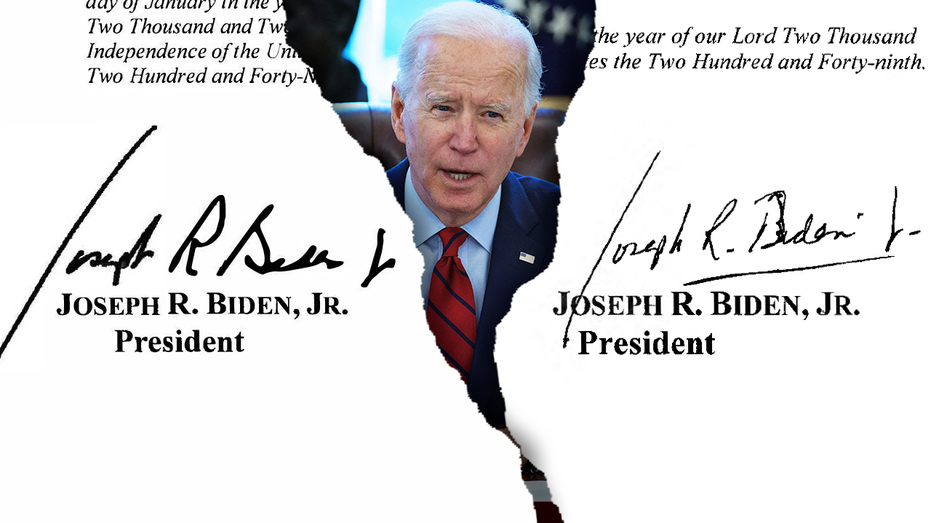
Evidence shows that President Joe Biden did pardon his son, Hunter Biden, on December 1, 2024. The official clemency document for Hunter Biden, accessible through the U.S. National Archives, features a signature attributed to President Biden. Analysis from sources such as the Heritage Foundation’s Oversight Project indicates that the signature on Hunter Biden’s pardon differs from autopen-produced signatures and was most likely hand-signed by President Biden himself. No credible evidence supports the claim that the autopen was used for this particular pardon.
Claim #2: Top Biden administration officials questioned and criticized the use of the autopen for signing pardons.
Reports confirm that senior White House officials, including staff secretary Stef Feldman, frequently sought verification of President Biden’s direct approval before using the autopen for presidential actions. Axios reported email exchanges where Feldman asked for written confirmation of Biden’s intent, demonstrating internal concern for legal compliance and transparency with the autopen. However, these requests for clarity reflect due diligence within the administration and do not demonstrate that autopen use was extraordinary or a source of scandal. See Axios report.

Claim #3: The Department of Justice (DOJ) formally questioned the clemency process under President Biden, including his use of the autopen.
Available evidence does not support the assertion that the Department of Justice formally questioned President Biden’s clemency process or use of the autopen. While some DOJ officials may have raised procedural questions in internal discussions, there have been no official statements or actions challenging the validity of autopen-signed pardons. Legal precedents uphold the legitimacy of autopen signatures when properly authorized by the president. Sources such as the PBS NewsHour fact check have confirmed this legal backing.
Claim #4: President Trump can terminate or void pardons and documents signed by President Biden via autopen.
Former President Trump has argued that autopen-signed pardons by President Biden are invalid and promised to void them. However, legal experts universally agree that once a presidential pardon is complete, it is final, cannot be revoked, and is not dependent on the physical act of pen-to-paper by the sitting president. The Justice Department’s long-standing position, dating back to 1929, is that a completed and delivered pardon cannot be withdrawn. Trump’s announcement, therefore, has no legal basis and would not affect the standing of any legitimate autopen-signed pardons. See reporting and legal insight at Al Jazeera.
Conclusion
While concerns about the use of the autopen in the Biden administration reflect broader debates over process and intent, the available facts demonstrate that President Biden’s use of the autopen is supported by historic precedent and longstanding legal practice. No credible evidence indicates that Hunter Biden’s pardon was executed via autopen; analysis suggests it was hand-signed by President Biden. Furthermore, internal White House discussions about autopen use demonstrate procedural caution, not wrongdoing. Claims suggesting illegitimacy of autopen-signed documents or the ability of a subsequent president to void pardons are unsupported by law and history. The overall report contains some missing context and overstates the irregularity or controversy around autopen use.
Take Action Now
Stay informed with trustworthy fact checks and media analysis—Download the DBUNK App and take control of the news you see. You can submit your own fact-check requests for free and help strengthen the fight against misinformation.
Link to Original Article
Visit the original article here