
Why This Article Was Fact-Checked
This article was flagged because readers questioned whether Russia is using threats to reject the U.S.-Ukraine peace plan as a tactic to extract sensitive concessions from the United States during the Alaska summit. Given the complexity of Russia-U.S.-Ukraine dynamics and the high stakes of current peace talks, a factual assessment is essential to clarify what is genuinely taking place and how claims in public reporting align with recent events and official statements.

Understanding the Historical Context
Since Russia’s full-scale invasion of Ukraine in February 2022, international negotiations have repeatedly stalled over fundamental disagreements—especially Russia’s demand that Ukraine forgo NATO membership and cede occupied territories. Over the last year, the Biden and then Trump administrations have sought peace frameworks amid shifting battlefield conditions and strategic interests. The August Alaska summit between U.S. and Russian leaders was seen as an inflection point, but disagreements linger over the implementation of its “understandings.” Ongoing violence, recent drone attacks, and diplomatic statements have kept the region’s future uncertain. In this context, any peace proposal or diplomatic maneuver garners intense scrutiny.

Fact-Checking Three Key Claims
Claim #1: Russia is threatening to reject the U.S.-Ukraine peace plan to strong-arm the U.S. into Alaska summit concessions.
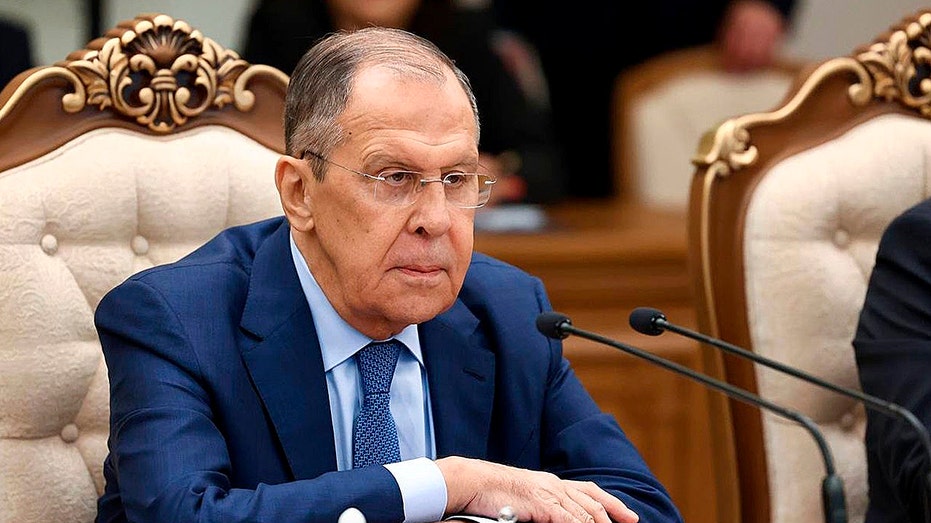
The article portrays Russian Foreign Minister Sergey Lavrov as warning that Russia may refuse the latest peace plan unless it adheres to the “spirit and letter” of the Alaska summit agreements. According to recent reporting, Lavrov’s public statements confirm Russia’s resistance to any deviation from previously established terms (livemint.com). However, there is no direct evidence that Russia has issued an explicit threat to use this stance as leverage for unrelated broader U.S. concessions at the Alaska summit. Instead, Russian officials are signaling dissatisfaction with the U.S.-backed framework—likely in an effort to gain negotiating leverage for issues central to the Ukraine conflict, such as NATO membership and territorial control. While Russia’s tactics naturally seek to pressure counterparties, the article overstates the direct connection to strong-arming the U.S. at the summit on broader national interests (reuters.com).

Claim #2: Russia maintains maximalist demands, including barring Ukraine from NATO and requiring it to give up all of Donbas.
The article accurately acknowledges Russia’s persistent demands: that Ukraine renounce NATO membership and surrender additional territory in the Donbas region. These positions are well-documented and continue to be the primary stumbling blocks in the peace process (aljazeera.com). No credible research suggests a meaningful softening of Russia’s terms. This claim is consistent with current diplomatic reporting and the realities facing negotiators.
Claim #3: Ukraine has agreed to a peace deal with Russia, though some details are unresolved.
The article states, “Ukraine agreed Tuesday to a peace deal to end the war with Russia, but some details still need to be finalized, a U.S. official told Fox News.” While there is reporting that negotiations in Abu Dhabi have yielded movement, both Ukrainian officials and President Zelensky himself insist that any agreement must ensure Russia is held accountable for its aggression. Details on enforcement, reparations, and security remain unsettled (time.com). Thus, portraying the deal as functionally closed may mislead readers about how close a real settlement is, especially considering continued fighting and Russia’s open antagonism to any “modified” plans. There is some progress, but significant gaps persist and no final, binding accord is in place.
Conclusion
The article broadly aligns with recent diplomatic and reporting trends about Russia’s position on Ukraine peace proposals. Its account of Russian maximalist demands and ongoing negotiation difficulties is substantiated by authoritative sources. However, the framing suggesting an explicit Russian intention to use a peace plan rejection as a tool to force wider U.S. concessions during the Alaska summit is not directly supported by available evidence—this is more a reading of negotiating posture than a matter of record. Finally, statements regarding the conclusion of a peace deal by Ukraine do not reflect the unresolved and highly contested issues that continue to block any final settlement. Readers should approach reporting on rapidly evolving peace talks with a critical eye and seek updates from multiple credible sources.
Visit the Original Article
To read the original reporting and see the context yourself, visit: https://www.foxnews.com/world/russia-warns-may-reject-us-ukraine-peace-plan-fails-uphold-alaska-summit-understandings