
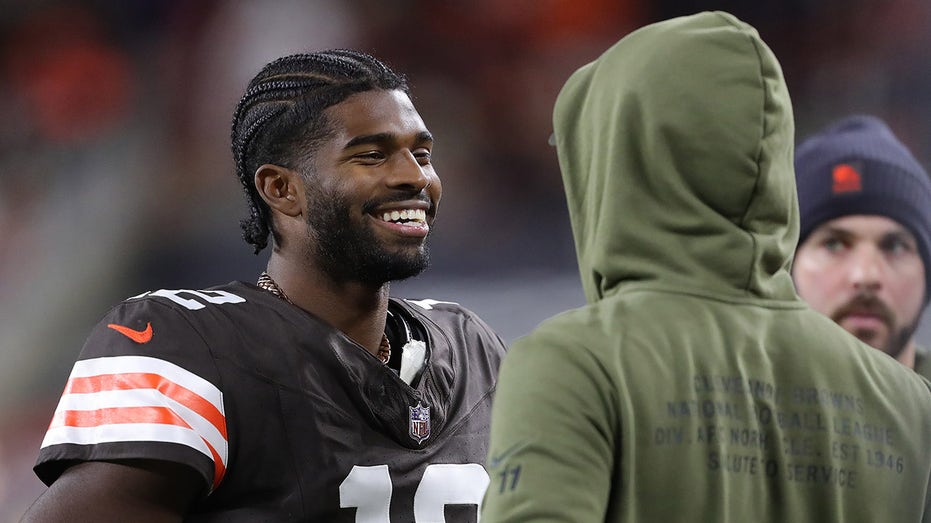
Introduction
This article was flagged for fact-checking after it drew attention for Kendrick Perkins’ claim that Shedeur Sanders is “the most powerful Black man since Obama took office.” Many readers, like you, question whether this statement highlights a broader media trend of conflating sports celebrity with genuine political influence. Our fact-check dives into the facts behind the article and separates media hype from verifiable truth.

Historical Context
The intersection of sports, celebrity, and political influence has a deep-rooted history in America. Black athletes, from Muhammad Ali to Colin Kaepernick, have used their fame to draw attention to social and political causes, sometimes becoming important voices within activism movements. Yet, equating media popularity with the rigorous, sustained impact of elected political leaders like Barack Obama is a recent trend fueled by the rapid pace of social media and broadcast commentary. This context is crucial for understanding how statements about “power” are often shaped by media attention rather than measured social or political change.

Fact-Checking Key Claims
Claim #1: Shedeur Sanders is the “most powerful Black man since 2009,” comparable to President Barack Obama.
This claim, delivered by ESPN analyst Kendrick Perkins, is strictly a subjective opinion rather than a factual statement. There is no evidence-based metric that positions Sanders, a rookie NFL quarterback, as wielding the kind of widespread sociopolitical or institutional power associated with former President Obama. The use of the term “powerful” in this context heavily relies on Sanders’ growing popularity, not on leadership, policymaking, or tangible authority. Media studies confirm that the “mediatization” of athletes often elevates their public profiles, but this does not equate to authentic political or societal influence (source). Thus, this statement is an exaggeration rooted in broadcast hype rather than a factual assessment.
Claim #2: Shedeur Sanders has only appeared in two NFL games this season.
This is accurate. Research confirms Sanders made his NFL debut in Week 11 against the Baltimore Ravens, followed by his first start in Week 12 versus the Las Vegas Raiders. The stats cited in the article match public records from these games (Reuters).
Claim #3: The Browns selected Shedeur Sanders in the fifth round of the draft back in the spring.
This statement is correct. The Cleveland Browns chose Shedeur Sanders with the 144th pick in the fifth round of the 2025 NFL Draft (Wikipedia).

Claim #4: The article suggests Shedeur Sanders is uniting the Black community without criticism.
The article quotes Perkins as stating, “I ain’t ran across one Black person that has said one bad thing about Shedeur.” This assertion lacks supporting evidence. While Sanders has attracted excitement, especially following his first win, there are no objective data or widespread surveys indicating unanimous support or a total absence of criticism within any community. Historically, claims of universal support are often indicative of hyperbolic commentary, not verified social dynamics (Perspective on context).
Conclusion
Most factual statements in the article concerning Shedeur Sanders’ early NFL career are correct and supported by reliable sources. However, the headline claim declaring Sanders as “the most powerful Black man since Obama” is not a fact, but rather a subjective, media-driven opinion. It exemplifies how commentators may conflate sports celebrity with authentic social or political influence, potentially misleading readers about the nature of real power. The article presents some accurate sports reporting but blurs lines between verifiable facts and attention-grabbing hyperbole.
Take Action Now
Want to ensure the news you read is accurate and free of hype? Download the DBUNK App to submit your own fact-check requests at no cost and join a community committed to truth.
Link to Original Article