
Introduction
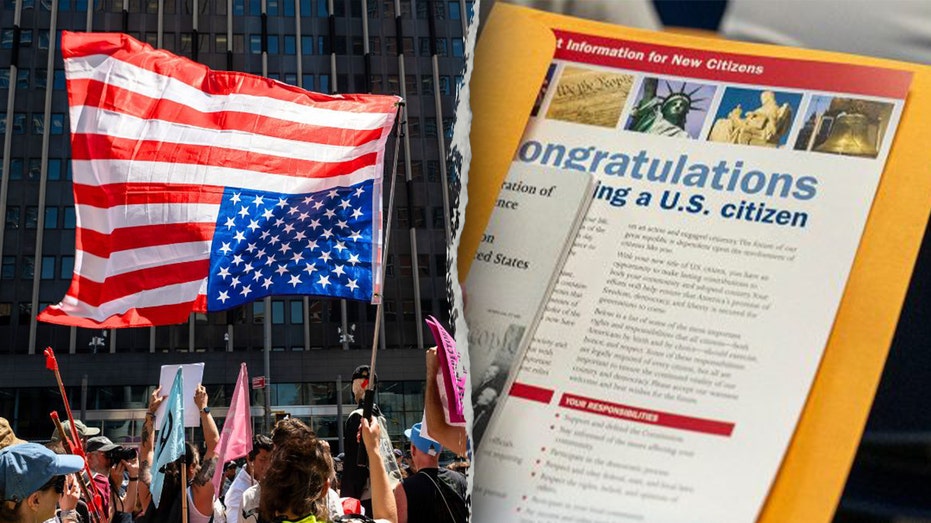
This report reviews the recent article discussing new federal guidance requiring immigration officers to evaluate legal immigration applicants for “anti-Americanism” and antisemitic views. The article was flagged for fact-checking due to a statement from the Michigan Immigrant Rights Center claiming, “constitutional rights apply to all people in the US regardless of status.” Many readers want to know whether this legal claim is factually accurate, as well as the broader truth behind the new policy changes and associated criticisms.

Historical Context
U.S. immigration policy has long involved balancing national security with individual rights. The Immigration and Nationality Act (INA) already bars entry or naturalization for those involved in terrorism, antisemitism, or ideologies hostile to the U.S. Historically, questions about the constitutional protections for non-citizens have been debated in court, especially regarding due process and equal protection. Recent immigration measures, particularly under the Trump administration, have introduced expanded vetting and increased scrutiny of applicants’ character and beliefs.

Fact-Check Specific Claims
Claim #1: “Constitutional rights apply to all people in the US regardless of status.”
The article quotes Ruby Robinson of the Michigan Immigrant Rights Center stating, “constitutional rights apply to all people in the US regardless of status.” This statement is largely accurate, though it lacks some context. The U.S. Constitution protects “persons,” not just citizens. Supreme Court rulings such as Plyler v. Doe (1982) and Yick Wo v. Hopkins (1886) confirm that undocumented immigrants and legal non-citizens are entitled to due process and equal protection under the law while physically present in the U.S. However, the scope of these rights is not absolute: some constitutional protections do not extend to immigration benefits or to individuals located outside U.S. borders (see: U.S. Const.; Plyler v. Doe; Yick Wo v. Hopkins). Therefore, this claim is true in general, but the application of specific rights can depend on the situation.

Claim #2: The Trump administration is instructing USCIS officers to vet all legal immigrants for “anti-Americanism” and antisemitism, treating such views as “overwhelmingly negative factors” for visas or citizenship.
The article accurately reports new guidance requiring immigration officers to consider “anti-American” and antisemitic viewpoints as negative discretionary factors when evaluating legal immigration applications. While there has long been authority under immigration law to deny benefits for links to terrorism, violent ideology, or subversion, the explicit instruction to factor in “anti-Americanism” marks a noted expansion in how officers may exercise discretion. The new policy allows but does not require denials based on such views unless additional legal grounds exist. Critics note the policy is broad and lacks clear definitions, which is supported by direct excerpts indicating no specific meaning for “anti-Americanism” was provided.
Claim #3: The release offered no clear definition of “anti-Americanism.”
The article states, “the release offered no clear definition of ‘anti-Americanism.'” This is accurate. Public statements and policy summaries related to the new USCIS guidance do not define the term, relying instead on officer discretion and referencing existing legal bars such as terrorism or support for totalitarian ideologies. Lack of a precise meaning has been confirmed by legal experts and immigration watchdogs, who cite ambiguity as a challenge for consistent enforcement and legal review.
Claim #4: “Immigration benefits — including to live and work in the United States — remain a privilege, not a right.”
The quote from the Trump administration, “immigration benefits … remain a privilege, not a right,” is legally correct. Courts have historically maintained that entry into and remaining in the U.S. as a non-citizen, especially for non-asylum or non-refugee cases, is considered a privilege granted by the nation’s law and policy, not a constitutional right. This is supported by longstanding Supreme Court precedent (Kleindienst v. Mandel, 1972).
Conclusion
The article generally presents factual information about new federal guidance requiring the vetting of legal immigrants for “anti-Americanism” and antisemitism, but some statements would benefit from additional legal context. The assertion by the Michigan Immigrant Rights Center that “constitutional rights apply to all people in the US regardless of status” is substantially correct for core rights like due process and equal protection, though certain rights are reserved for citizens or lawful residents. The new policy does expand discretion for immigration officers, as described, yet lacks precision in defining prohibited views—introducing potential for subjective interpretation. The article presents both supportive and critical perspectives, though critics’ concerns about rights and vagueness reflect ongoing legal debate rather than demonstrable misinformation. No evidence of fabrication or major factual errors was identified.
Take Action Now
Stay ahead of misinformation and get the facts that matter. Download the DBUNK App to submit your own fact-check requests for free and join a community that values truth.
Link to Original Article
Visit the original article: https://www.foxnews.com/us/trump-administration-vet-legal-immigrant-applicants-anti-americanism-antisemitism