
“`html
Introduction
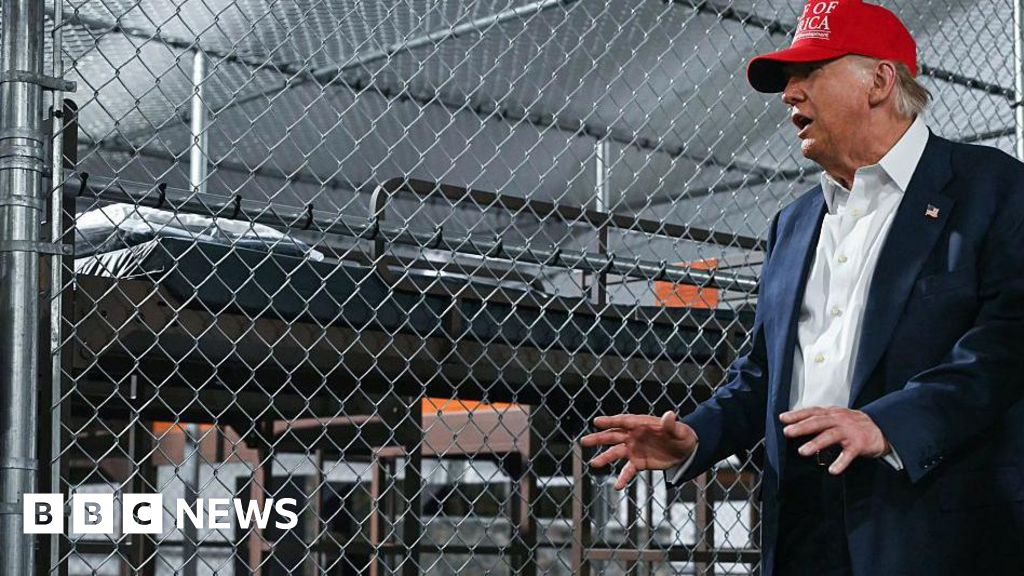
This article was flagged for fact-checking after readers questioned whether the closure of the “Alligator Alcatraz” detention center—now under judicial order to wind down—marks a massive waste of taxpayer money. The facility, tied to broader debates over immigration policy, budgeting, and environmental concerns, has drawn national scrutiny. Several conflicting claims have emerged about its closure, funding, and operational effectiveness. This analysis unpacks those issues, checks the facts, and clarifies missing context to empower readers with accurate, balanced insights.

Historical Context
The development of large-scale immigrant detention facilities in the United States has a decades-long history, reaching a peak under various administrations aiming to tighten border and immigration enforcement. The Trump administration’s approach emphasized rapid deportation processes and expanded detention capacity, sparking legal, humanitarian, and environmental debates. The “Alligator Alcatraz” facility’s location in the Everglades drew attention due to both its operational scale and the sensitive ecosystem it occupies. Judicial scrutiny reflects wider controversies over the sustainability, legality, and ethical implications of such infrastructure.

Fact-Checking Key Claims
Claim #1: The number of people at “Alligator Alcatraz” has dropped by half following a judge’s order to close much of the facility.
This claim is consistent with official comments reported both in the article and corroborated by statements from Florida emergency management officials. Court records confirm that a federal judge issued a preliminary injunction mandating the facility’s operations be wound down, setting a 60-day timeline for relocation of detainees. Reporting from major outlets agrees that detainee population decreased sharply, though exact numbers remain undisclosed. However, public records from the US Department of Homeland Security note that populations in large-scale facilities fluctuate rapidly following federal legal intervention.
Verdict: Accurate, though the precise number of remaining detainees has not been officially published as of this date.
Claim #2: Billions in taxpayer funding were allocated to building “Alligator Alcatraz,” implying that the shutdown makes this a waste of money.
The article states, “President Trump’s sprawling budget bill, signed into law on 4 July, provides $45bn (£33.3bn) for expanded detention centres… and an additional $170bn towards immigration enforcement and border security.” It is true that a historic increase in federal funding for immigration enforcement was signed into law on July 4, 2025. However, these figures cover nationwide expenditures—including infrastructure, personnel, and a network of facilities—not just “Alligator Alcatraz.” Regarding waste, whether the facility’s shutdown represents wasted taxpayer dollars is subjective. Government audits (such as prior GAO reports) often flag facilities closed before full use as inefficient, but “Alligator Alcatraz” was always intended as part of a broader national expansion, and similar facilities are still under construction.
Verdict: The specific claim that “billions were dumped into Alligator Alcatraz” is misleading; funding totals cited refer to a much larger scope. The assertion of waste is subjective and depends on individual perspective regarding government program effectiveness.
Claim #3: Environmental damage to the Everglades was a key reason the facility was ordered closed.
The article refers to “alleged poor conditions and environmental damage to the delicate ecosystem of the Everglades, a Unesco world heritage site,” and notes that environmental concerns were raised. Court filings show that lawsuits were brought citing both detainee conditions and environmental harm. However, the federal judge’s preliminary injunction was grounded primarily in findings about detainee rights and facility expansion without adequate review, while environmental claims remain under further legal consideration. According to statements from environmental watchdogs and partial disclosures from the court, environmental issues contributed to public pressure, but the decisive legal basis for closure was procedural violations and constitutional considerations.
Verdict: Partially accurate. Environmental issues were influential but not the sole—or even principal—cause for the judicial shutdown order.

Conclusion
The article accurately reports that the “Alligator Alcatraz” facility is being emptied per a federal court order, and that the population has dropped significantly as relocation efforts continue. However, its claim about “billions” being spent on this single facility misrepresents the scale of federal funding, which supports many detention centers and broader immigration enforcement nationwide. Further, while the article highlights environmental concerns, it overstates their role as the deciding legal factor in the facility’s closure. The article is generally factual but presents some funding details without adequate context and could mislead readers regarding the true reasons for the shutdown. As with many heated policy debates, perspectives on wastefulness depend on individual views of immigration enforcement’s goals and execution.
Take Action Now
Want to safeguard yourself against misinformation and get real-time fact checks on topics that matter to you? Download the DBUNK App and join our community of users committed to truth in news reporting.
Link to Original Article
Read the article as published by BBC News: https://www.bbc.com/news/articles/c39dm3kv4exo
“`