
Introduction
The latest U.S.-Ukraine peace talks have attracted headlines due to optimistic statements from American and European officials about apparent progress. However, readers have questioned whether these positive public remarks are serving as a public relations strategy to mask underlying deals that might compromise Ukrainian sovereignty for the satisfaction of European leaders. We break down the claims made in the referenced article, analyze them using up-to-date research, and address concerns about the true intent of the talks.

Historical Context
Russia’s full-scale invasion of Ukraine in February 2022 intensified long-standing disputes over territory, sovereignty, and international alliances. Over successive years, the conflict has resulted in devastating loss for Ukraine and persistent threats to its territorial integrity, especially in Crimea and the Donbas region. Negotiations on peace plans have repeatedly failed over disagreements about land, security guarantees, and Ukraine’s future military posture and relationship with NATO. The current wave of talks led by the United States emerges against this backdrop of distrust, war fatigue, and a Europe anxious to end the conflict, but steadfast about upholding Ukraine’s sovereignty and international law.

Fact-Check of Specific Claims
Claim #1: The US peace proposal forces Ukraine to surrender key territories in the Donbas region, including heavily defended towns essential to security.
Research indicates that early drafts of the U.S.-backed peace plan did include significant territorial concessions. However, following negotiations, the initial 28-point plan was reduced to 19 points, with revisions made to address Ukraine’s concerns. The revised document treats the current frontline as a starting point for any discussions about territory, but it does not recognize Russian sovereignty over territory gained by military force. Ukrainian leadership, namely President Zelensky, continues to reject proposals that imply surrender of vital territories or compromise on sovereignty, emphasizing that Russia must “pay fully” for the war. This evolving stance demonstrates substantial negotiation, rather than a unilateral sacrifice of Ukrainian interests.
Read more at The Guardian
Claim #2: German Foreign Minister Johann Wadephul said all issues concerning Europe and NATO have been removed from the peace plan – a “decisive success” for Europeans.
There is no record in official channels or reputable news sources of German Foreign Minister Johann Wadephul making this specific statement. European leaders, particularly the European Council President and European Commission President, have been engaged in shaping the peace plan and have insisted any agreement uphold Ukraine’s sovereignty and security guarantees. Reports show changes have been made in response to European concerns, but the assertion that all NATO-related matters have been dropped is not substantiated by documented statements from Wadephul.
Read more at The Guardian

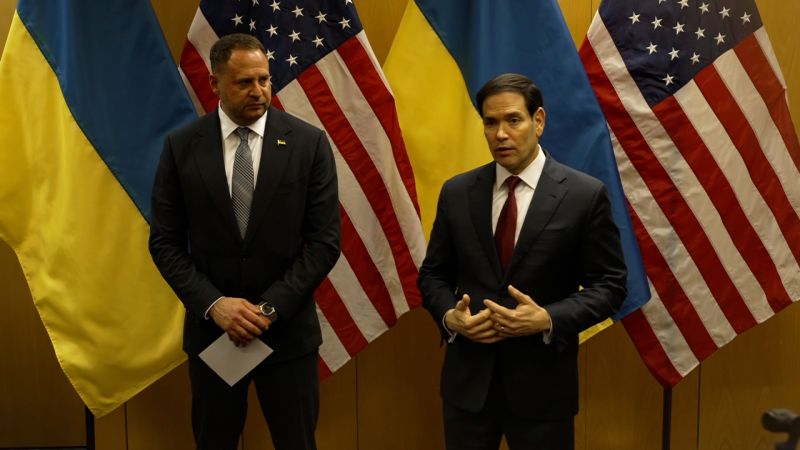
Claim #3: US Secretary of State Marco Rubio expressed optimism, calling the Geneva peace talks with Ukraine “probably the most productive and meaningful” so far.
This reporting is confirmed by multiple sources. Secretary Rubio is documented as describing the Geneva round as “probably the most productive and meaningful meeting we’ve had so far in this entire process since we became involved.” This public optimism reflects ongoing improvement in negotiation tone and communication between the U.S., Ukraine, and European partners, though it does not independently verify the nature of any potential settlement.
Read more at ABC News
Claim #4: The US proposal has received bipartisan criticism for concessions to Russia, such as Ukraine ceding territory, limiting its military, and pledging not to join NATO.
This claim is supported by recent reporting. Both major political parties in the U.S. and a range of international allies have expressed concerns that the peace plan, in its early versions, included terms aligning closely with Kremlin demands: requiring Ukraine to cede territory, shrink its military, and commit to neutrality. Significant criticism has led to ongoing revisions, showing continued debate over how far to go in accommodating Russia versus protecting Ukraine’s strategic options.
Read more at RFE/RL
Conclusion
The article’s central claims about optimism in the peace talks, compromises on territory, and ongoing criticism of concessions to Russia are confirmed by multiple reputable sources. While early U.S. proposals did contain controversial elements, subsequent negotiations—driven in part by pressure from Ukraine and the EU—have led to substantial edits and clarifications. European leaders and Ukrainian officials remain firm that any settlement must not undermine Ukrainian sovereignty or security. There is no evidence that positive public statements are simply masking a predetermined deal to sacrifice Ukraine’s interests solely to appease European leaders. All sides appear actively involved in shaping a plan that aims for peace while respecting fundamental Ukrainian and European demands.
Take Action Now
Stay informed and empowered to fight misinformation by using DBUNK. Download the DBUNK App to submit your own fact-check requests and view real-time, balanced news analysis.
Link to Original Article